Hormone Bliss · Free Guide

Your shoulder didn't just stop working. Your estrogen dropped.

The menopause-aware playbook for frozen shoulder — a self-diagnosis quiz, daily stretches, supplements, sleep fixes, and the medical interventions worth exploring. Built by Dr. Tammy for the women medicine keeps calling idiopathic.

Instant PDF · No spam · Unsubscribe anytime

Dr. Tammy, founder of Hormone Bliss
"Your hormones are not confused about this. Medicine just hasn't caught up."
— Dr. Tammy
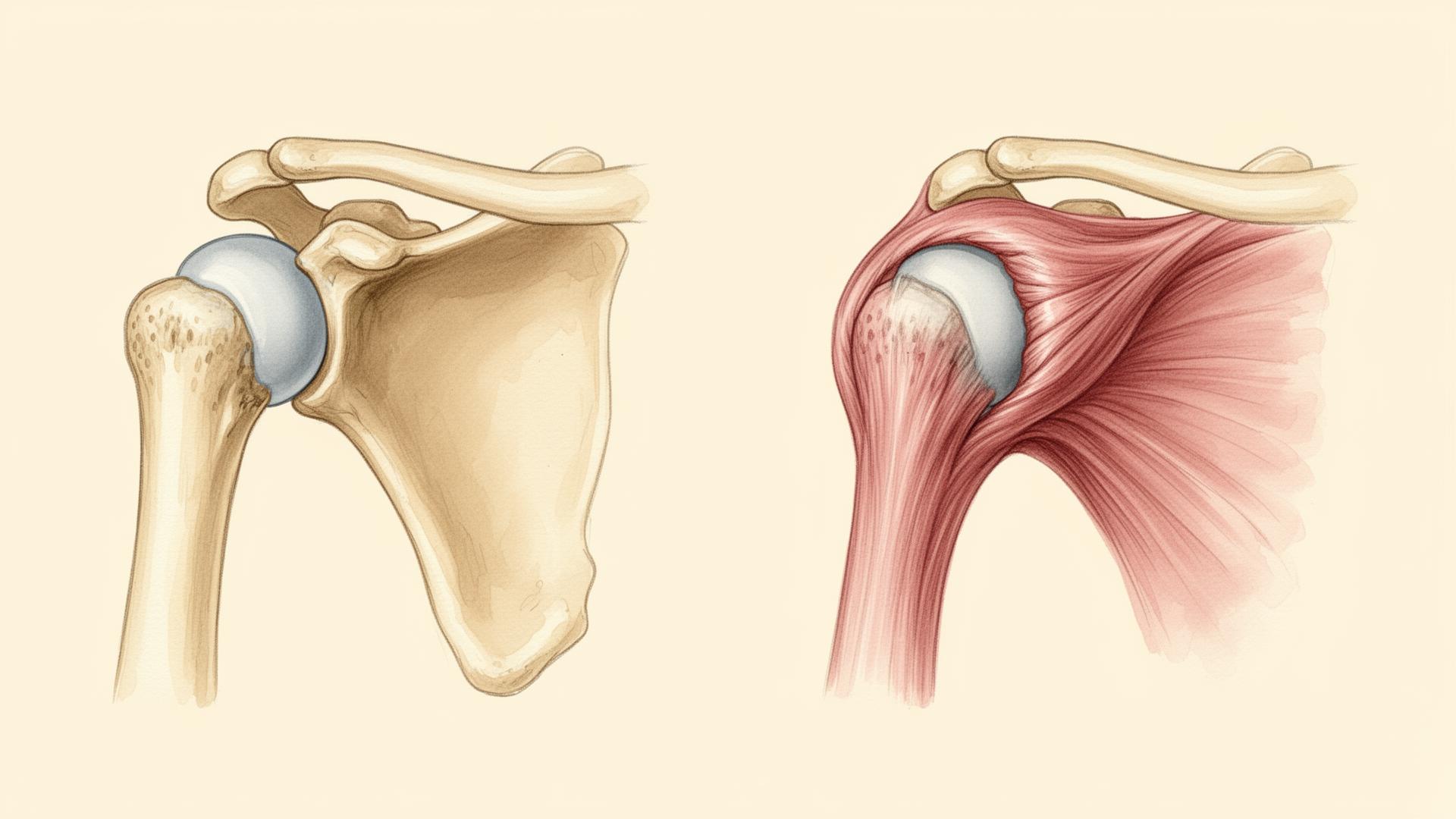
Anatomical comparison of a healthy shoulder joint versus a frozen shoulder with an inflamed, thickened joint capsule
Healthy
Loose, gliding capsule
Frozen
Inflamed, thickened, stuck
What is frozen shoulder?

A joint capsule that turned into scar tissue — almost always in women, almost always in the menopause window.

Adhesive capsulitis is the medical term. The connective-tissue capsule that surrounds your shoulder joint becomes inflamed, thickens, and contracts. The arm physically cannot move through its normal range — not because the muscles are weak, but because the capsule has shrink-wrapped around the joint.

The estrogen connection

Estrogen regulates collagen synthesis, fibroblast activity, and inflammatory cytokines throughout connective tissue. When estrogen falls in perimenopause and menopause, the shoulder capsule — which is dense connective tissue — becomes more prone to fibrosis, adhesion, and inflammatory thickening. That's why "idiopathic" frozen shoulder clusters in women aged 40–60 and why HRT users have a measurably lower incidence.

3–5%
of adults develop frozen shoulder in their lifetime
70%
of cases occur in women
40–60
the age window when most cases appear
1–3 yrs
average duration without targeted treatment
Research references
  • Hand C, et al. Long-term outcome of frozen shoulder. J Shoulder Elbow Surg. Prevalence 2–5%, female predominance 70%, peak age 40–60.
  • Park HB, et al. Diabetes mellitus and the menopause as risk factors for frozen shoulder. Bone & Joint Journal — estrogen withdrawal and capsular fibrosis.
  • Hammad et al. (2024). Hormone replacement therapy and incidence of adhesive capsulitis. Retrospective cohort showing reduced incidence in HRT users.
  • Cher JZB, et al. Alarmins in frozen shoulder. Am J Sports Med — IL-6, TNF-α, and fibroblast-driven capsular thickening.
  • Cleveland Clinic & Hospital for Special Surgery patient resources.
The arc · 1 to 3 years
Stage 01
Freezing
2–9 months
Stage 02
Frozen
4–12 months
Stage 03
Thawing
months to years
2-minute self-check

Do you actually have frozen shoulder?

The first two are red-flag questions — shoulder pain can be referred from your heart or gallbladder, and most people don't know. Answer honestly. Not a diagnosis.

  1. Left shoulder or arm pain with ANY of: chest pressure, jaw pain, shortness of breath, cold sweat, or nausea?
  2. Right shoulder or shoulder-blade pain that flares after fatty meals, with nausea or pain under the right ribs?
  3. 01
    Has shoulder pain gradually crept in over weeks — without any injury or fall?
  4. 02
    Do you struggle to reach behind your back (bra clasp, back pocket, seatbelt)?
  5. 03
    Is the pain worse at night and disrupting your sleep?
  6. 04
    Has your range of motion shrunk in multiple directions, not just one?
  7. 05
    Are you between 40 and 60, or in perimenopause / postmenopause?
  8. 06
    Do you have diabetes, prediabetes, or a thyroid condition?
  9. 07
    Does someone else moving your arm hurt just as much as you moving it yourself?
  10. 08
    Has this gone on longer than 6 weeks with no improvement?
Daily routine · 10 minutes

The six stretches, in the order they actually work

Warm the joint first — 10–15 minutes of moist heat or a hot shower. Stretch after, never before. Stop well before sharp pain, especially in the freezing stage.

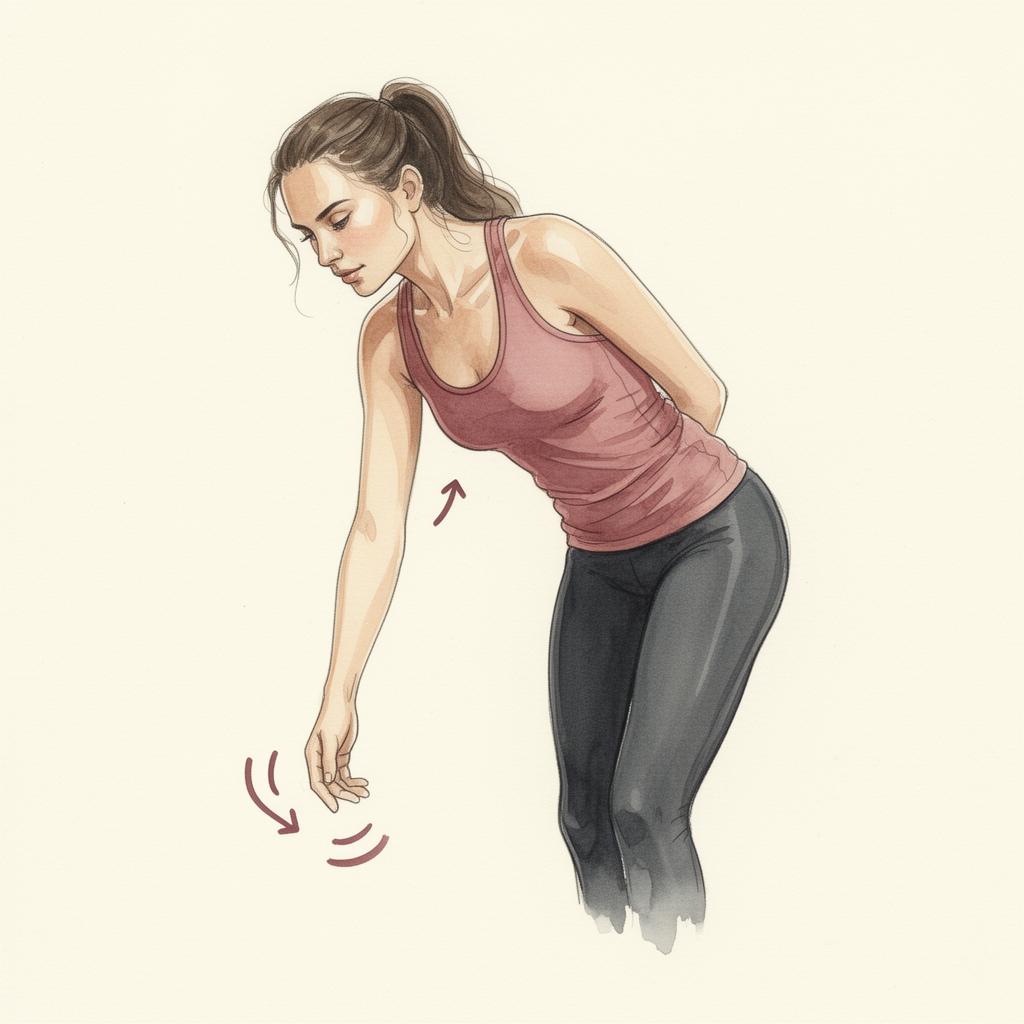
Illustration of the Pendulum Swing exercise
01 · All stages · start here

Pendulum Swing

Lean forward at the waist, let the affected arm hang loose like a pendulum. Use your body to start a small circle — don't power it with the shoulder. Forward/back, side-to-side, then circles.

10 each direction, 2 sets
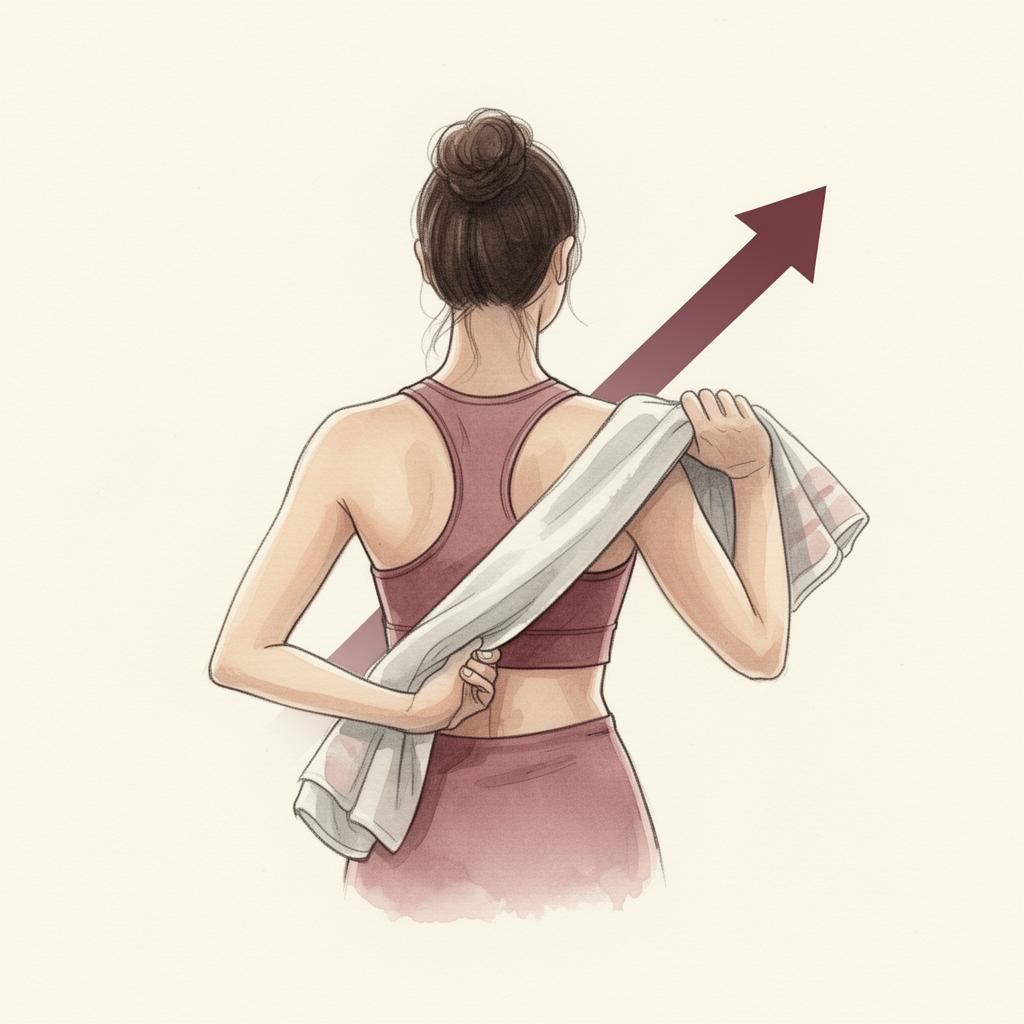
Illustration of the Towel Stretch exercise
02 · Frozen + thawing

Towel Stretch

Hold a towel diagonally behind your back. Use the good arm to gently pull the affected arm upward. Go to the edge of stretch, not pain.

15–30 sec × 10–20 reps
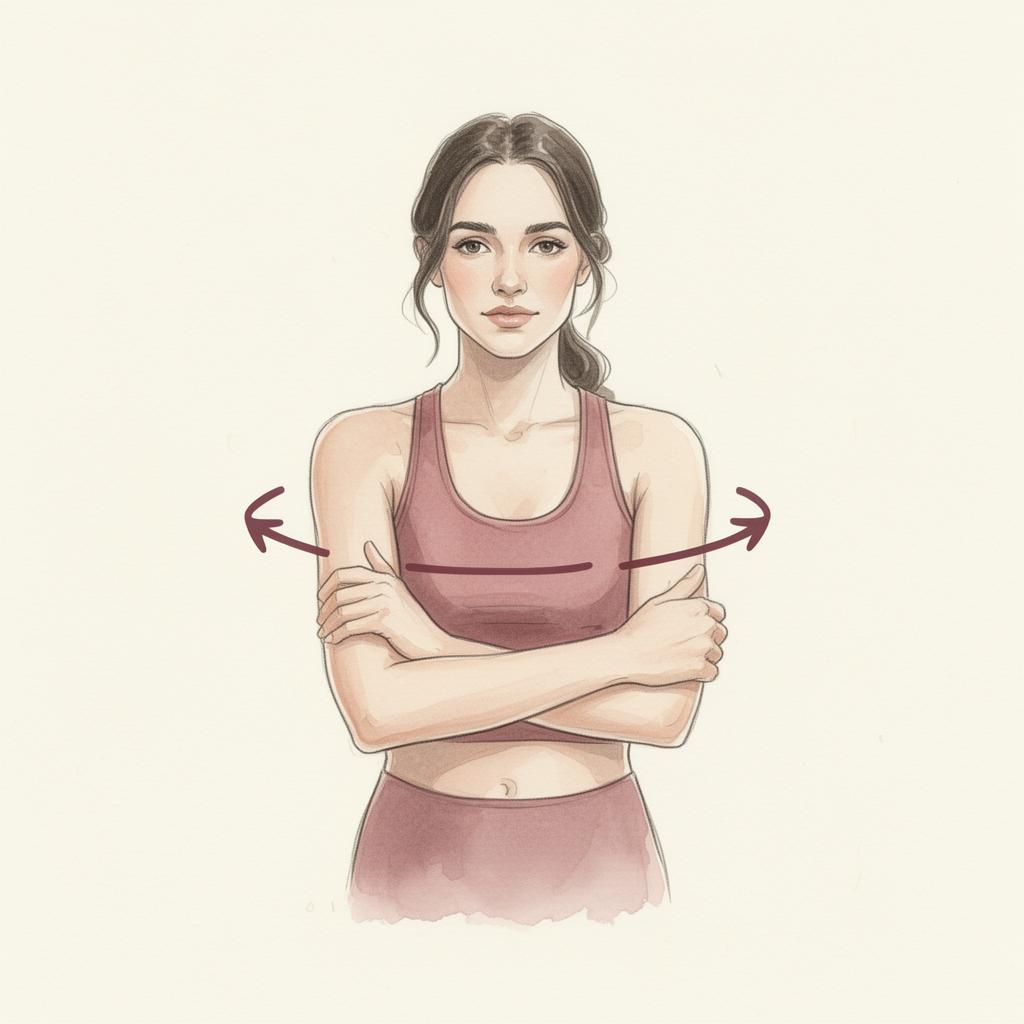
Illustration of the Cross-Body Reach exercise
03 · All stages

Cross-Body Reach

Use the good arm to lift the affected arm at the elbow and bring it across the chest. Support it the whole way.

15–30 sec × 10–20 reps
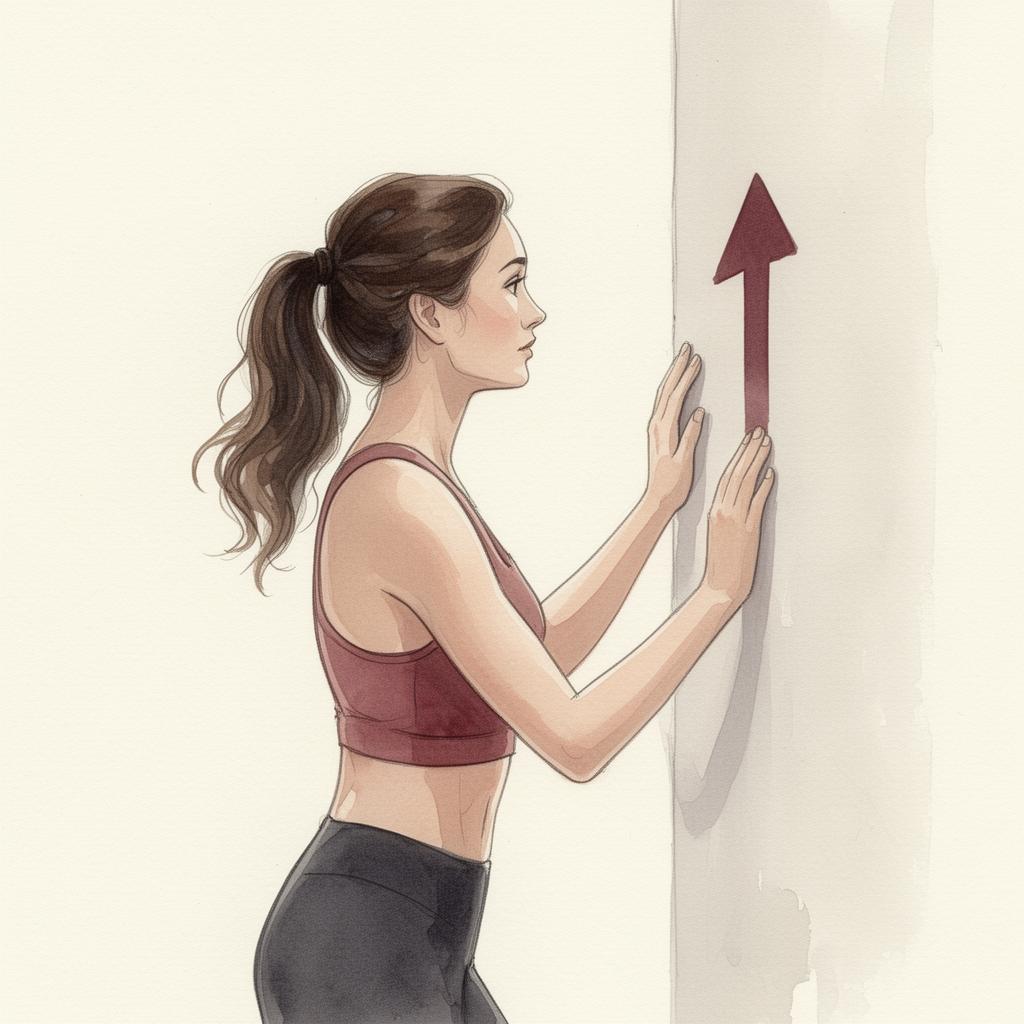
Illustration of the Finger Walk exercise
04 · All stages

Finger Walk

Face a wall. Walk the fingertips of the affected arm up the wall like a spider. Bend at the elbow, then straighten as you climb.

10–20 reps
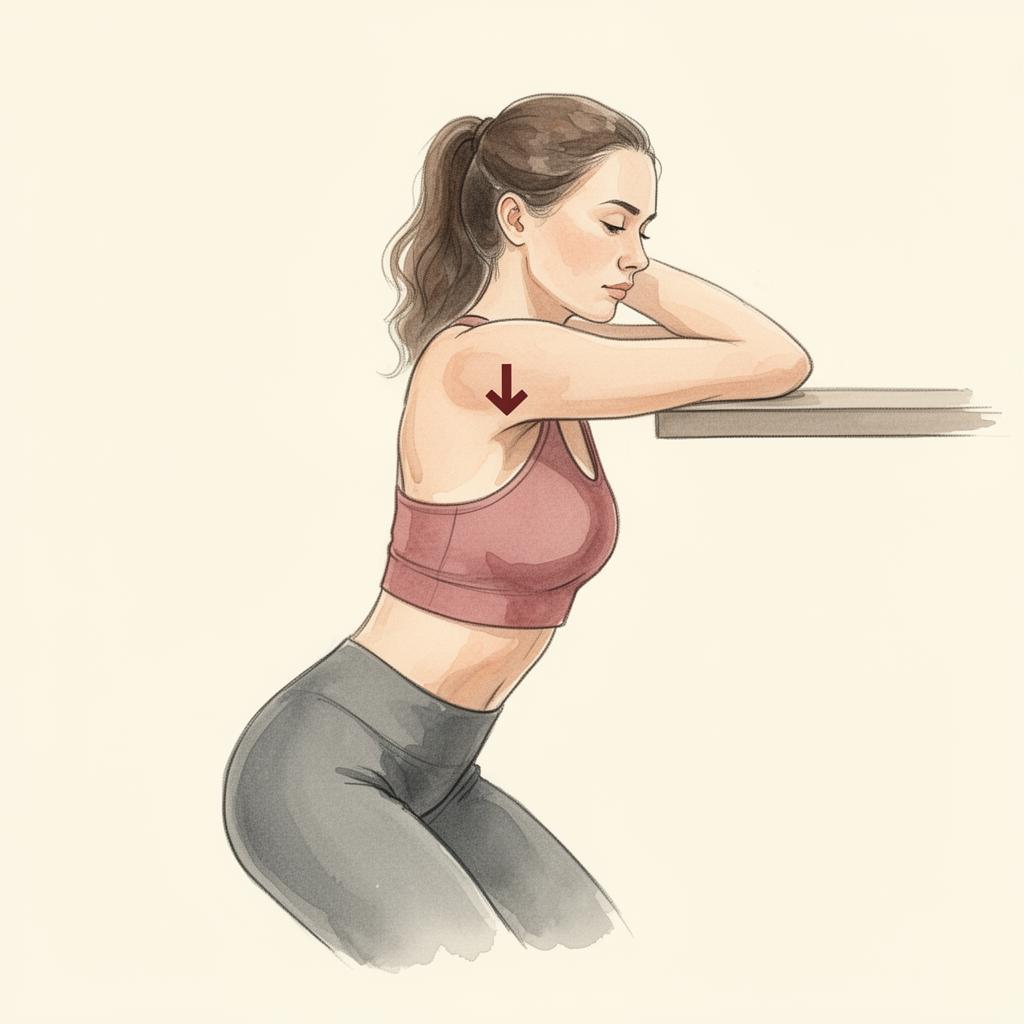
Illustration of the Armpit Stretch exercise
05 · Frozen + thawing

Armpit Stretch

Rest the affected arm on a shelf at chest height. Bend your knees gently — this opens the armpit and stretches the lower capsule.

10–20 reps
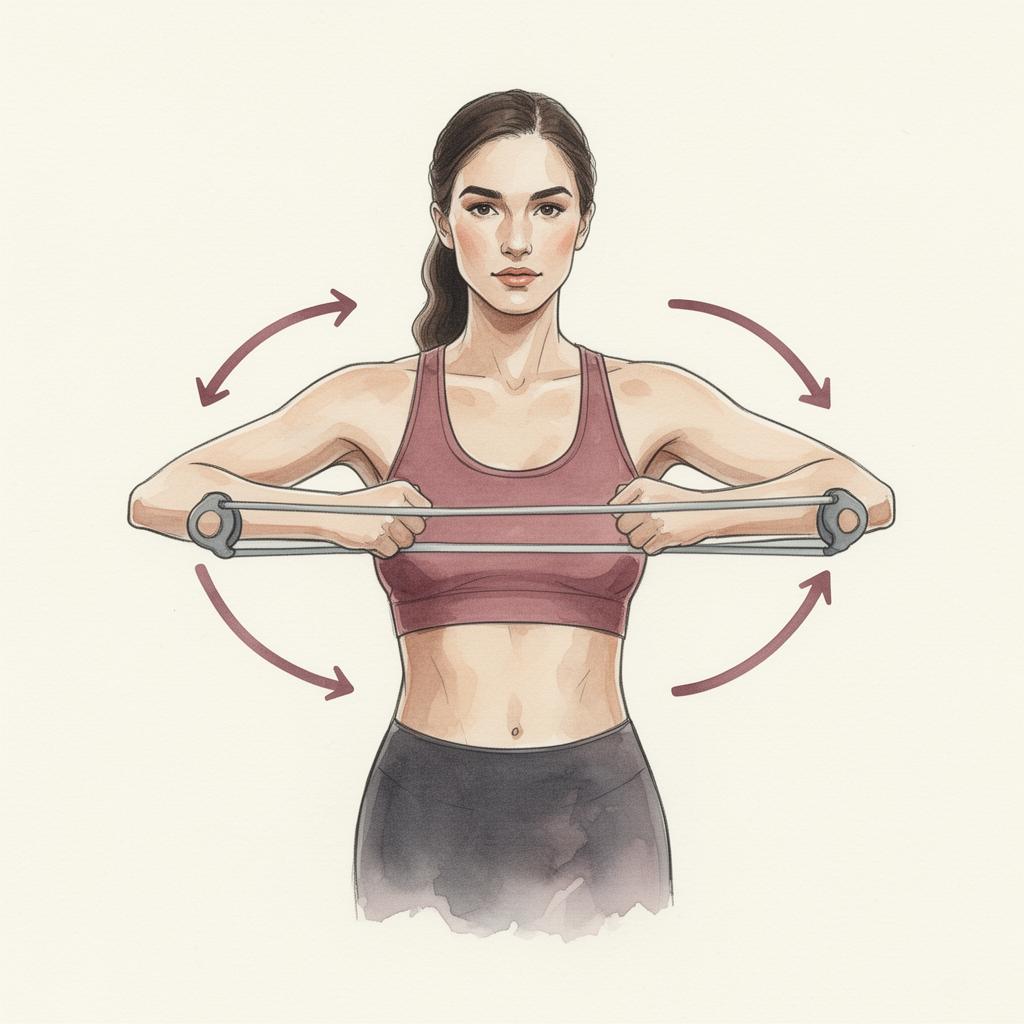
Illustration of the External Rotation (band) exercise
06 · Thawing only

External Rotation (band)

Light resistance band, elbows tucked at sides at 90°. Rotate forearms outward. This builds the rotator cuff back without flaring the capsule.

10–15 reps × 3 sets
Anti-inflammatory stack

Supplements that lower the inflammatory load

None of these dissolve scar tissue. They take pressure off a joint already working hard to repair itself. Run any new supplement past your doctor — especially with blood thinners, diabetes meds, or thyroid medication.

Shop our practitioner-grade dispensary

Professional-quality brands at member pricing through our Fullscript portal.

Open supplement portal

Omega-3 (EPA/DHA)

2–3 g/day

Strongest evidence for lowering joint inflammation.

Curcumin + piperine

500–1000 mg/day

Comparable to NSAIDs in some joint trials.

Vitamin D3 + K2

2000–5000 IU + 100 mcg

Low D correlates with worse outcomes. Test first.

Magnesium glycinate

300–400 mg at night

Muscle relaxation, sleep, blood sugar.

Collagen peptides

10–20 g/day

Connective-tissue building blocks. Pair with vitamin C.

Boswellia (AKBA)

300–500 mg 2× daily

Targets the 5-LOX inflammatory pathway.

Ginger extract

500–1000 mg/day

Gentle food-based anti-inflammatory.

Quercetin

500 mg/day

Antioxidant + mast-cell stabilizer.

Sleep fixes

Stop waking up at 3am in pain

Do this
  • On your back (best)

    Pillow under the affected arm to keep the shoulder slightly elevated. Small pillow under the knees protects your lower back.

  • On your unaffected side

    Hug a body pillow with the affected arm resting on top — keeps the joint from collapsing forward.

Avoid
  • On the affected side

    Direct pressure compresses an already-inflamed capsule. The #1 reason women wake up at 3am.

  • Arm overhead

    Reduces blood flow and locks in stiffness by morning. If you wake this way, reset and re-pillow.

What to avoid

Eight habits that make it worse

  1. 01
    Wearing a sling more than a few days without movement breaks — stillness deepens this condition.
  2. 02
    Aggressive stretching during the freezing stage. You will flare it.
  3. 03
    Heavy overhead lifting, kettlebells, push-ups, and planks on the affected side until thawing.
  4. 04
    Repeated cortisone shots without a plan — useful as a tool, not a cure.
  5. 05
    Ultra-processed foods, excess sugar, and alcohol — all raise systemic inflammation.
  6. 06
    Sleeping on the affected side, even "just for a minute."
  7. 07
    Doing nothing and waiting it out. Untreated cases can run 3+ years.
  8. 08
    Skipping hormone and thyroid testing because "it's just a shoulder."
Medical interventions

A map of every option worth exploring

Ordered roughly by evidence and where most people start. Don't skip ahead to stem cells before you've tried PT for 12 weeks.

Start here

Physical Therapy

A PT trained in adhesive capsulitis. 6–12 weeks of consistent work before judging results.

Start here

Hormone Therapy (HRT)

Duke data: women on HRT had roughly half the frozen-shoulder rate. Ask about it as a joint conversation, not just hot flashes.

Standard

Corticosteroid Injection

Best evidence used early (freezing stage) paired with PT. Not a cure on its own.

Standard

Hydrodilatation

Saline + steroid injected to stretch the capsule from inside. Office-based. Strong evidence in frozen stage.

Standard

Manipulation Under Anesthesia

Surgeon moves the joint while you're asleep to break adhesions. For stuck cases after PT and injections.

Standard

Arthroscopic Capsular Release

Surgical release of the thickened capsule. Last-line but effective for refractory cases.

Emerging

Shockwave Therapy (ESWT)

Promising evidence for pain and range-of-motion. Multiple sessions, non-invasive.

Emerging

Hyperbaric Oxygen (HBOT)

Off-label for soft-tissue healing. Anecdotal benefit. Ask a clinician with HBOT experience.

Emerging

PRP / PRF Injection

Platelet-rich plasma or fibrin. Mixed but growing evidence for shoulder soft-tissue conditions.

Emerging

Mesenchymal Stem Cells

Investigational. Highest cost, least standardized — go to clinics with published outcomes, not marketing.

Adjunct

Red Light / Low-Level Laser

Modest evidence for pain reduction. Easy adjunct, low risk.

Adjunct

Acupuncture / Dry Needling

Decent evidence for pain modulation, especially paired with PT.

Want help sorting through your options?

If you'd like support with hormone therapy and menopause or perimenopause hormone restoration, book a free call with our team.

Book your free consultation
Get the printable guide

Stretches, supplement doses, sleep diagrams, and the full intervention map — in one printable PDF.

Instant PDF · No spam · Unsubscribe anytime